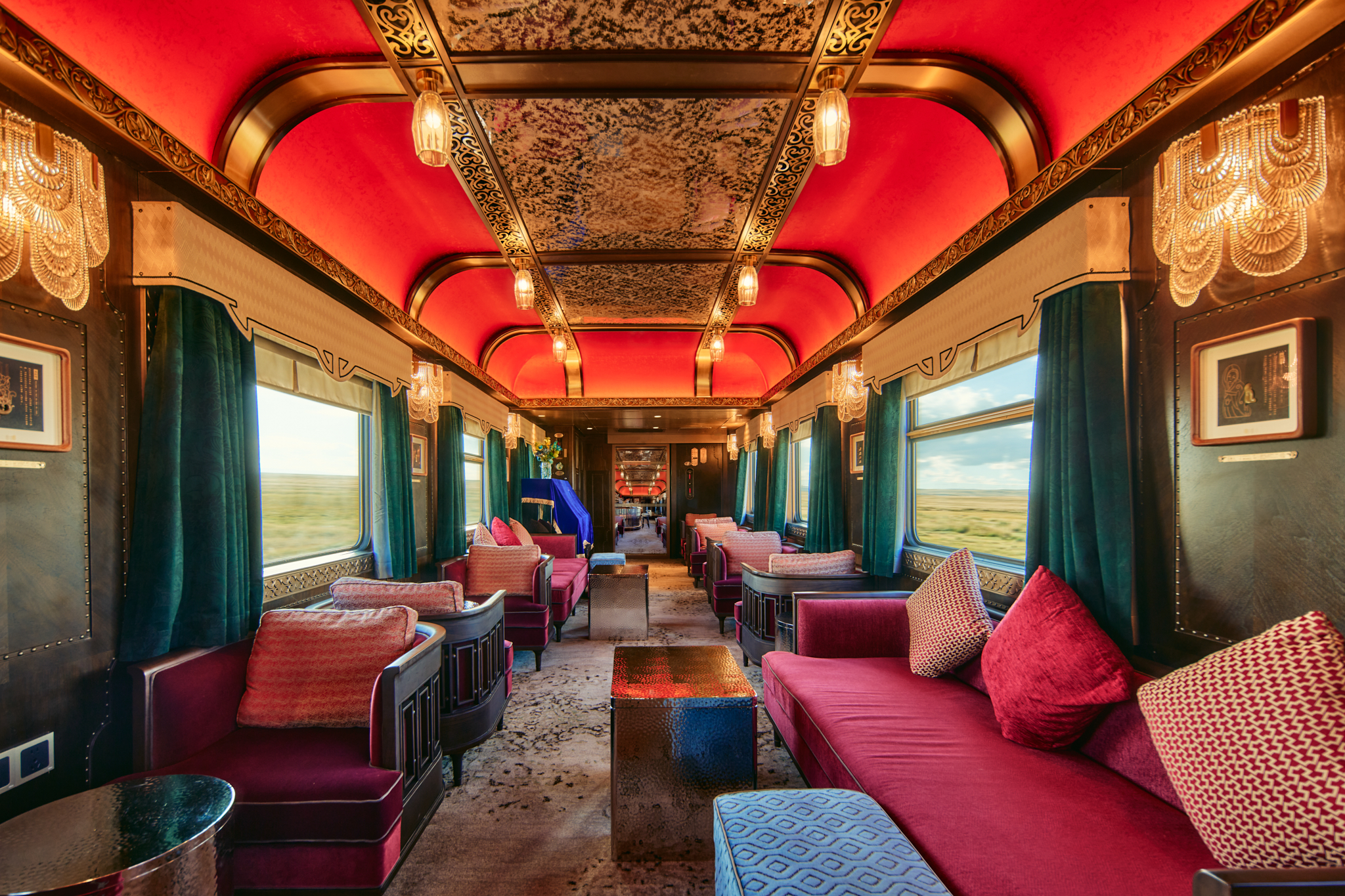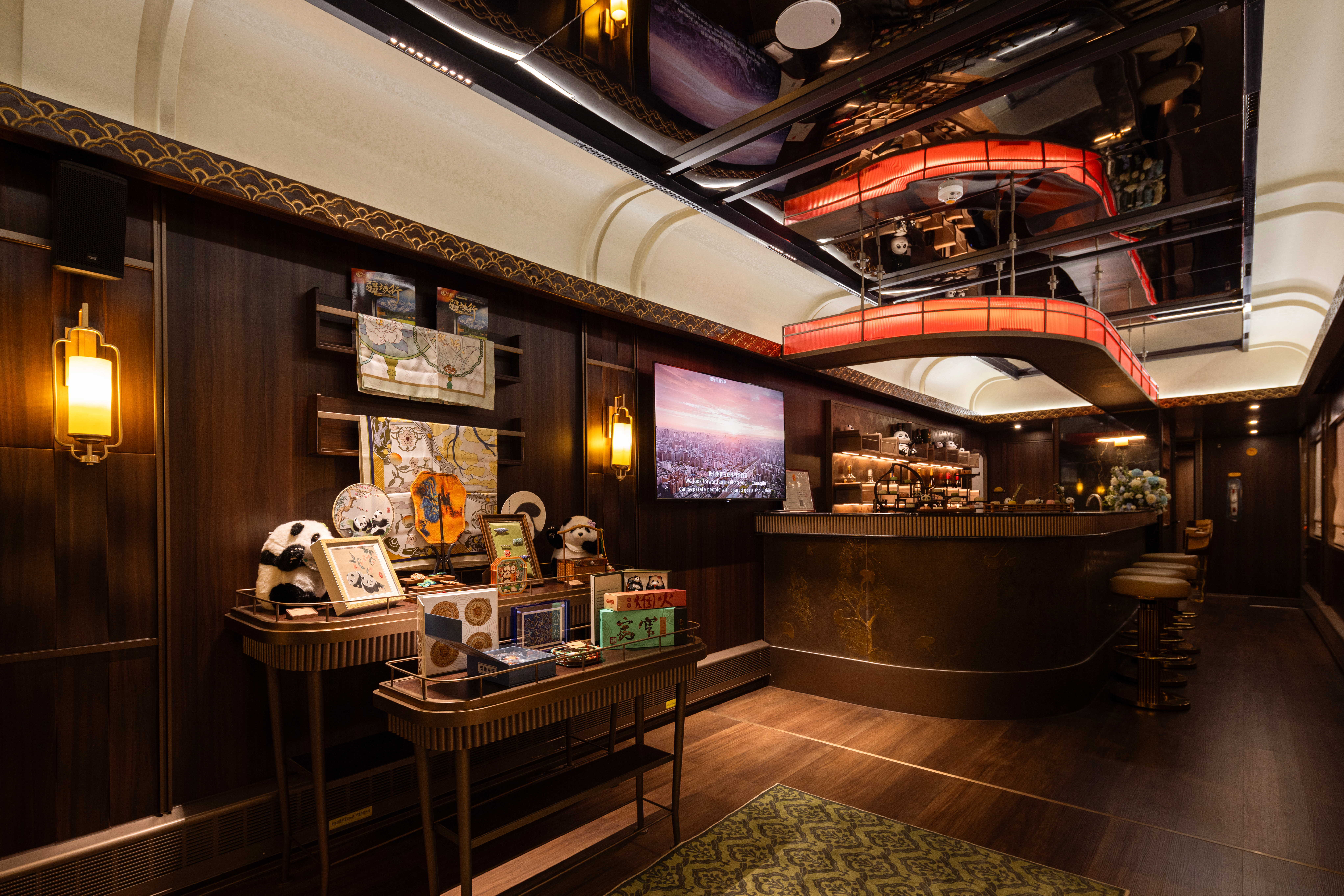
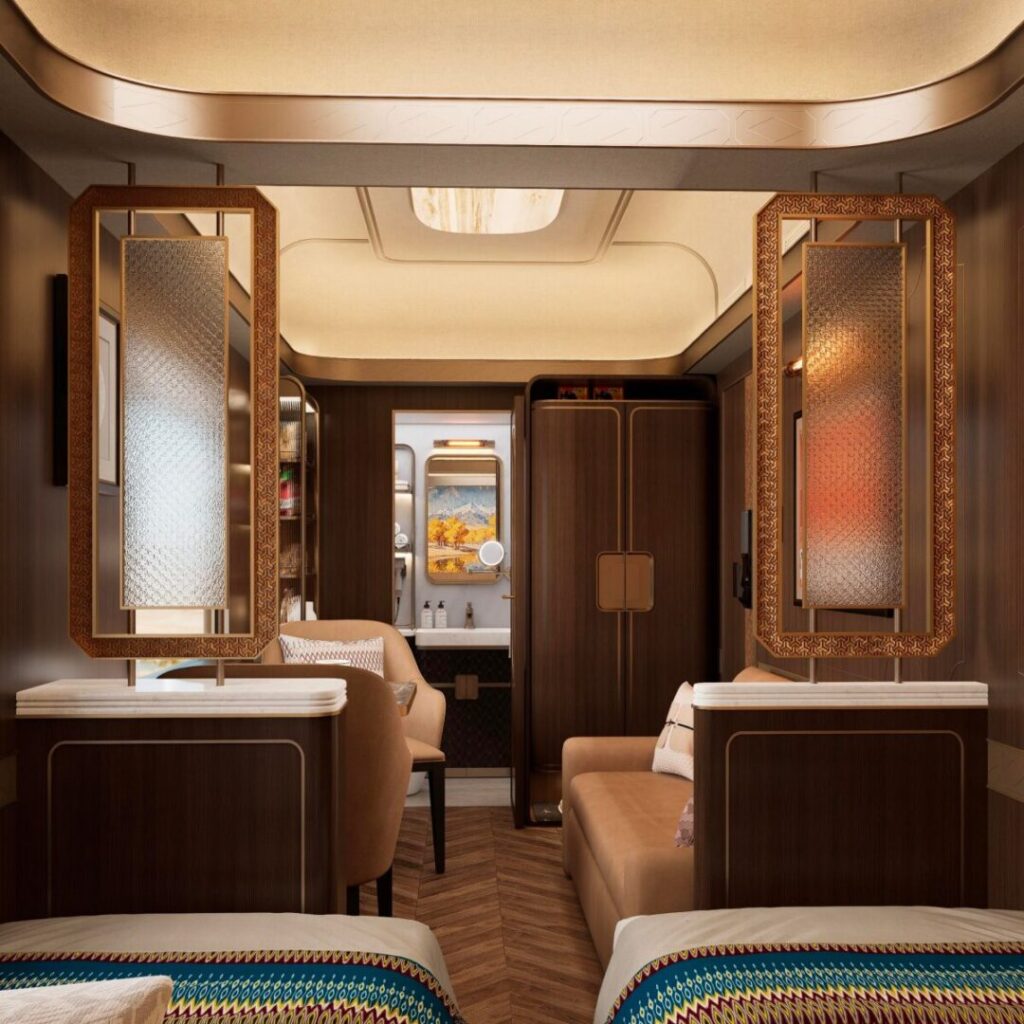
Choosing a Xinjiang luxury train tour is a product-comparison decision, not a contest to find the longest itinerary. The useful evidence is a dated route and inclusions sheet for each current departure: where it begins and ends, how the days are balanced, which train and cabin apply, what is included, and what still needs confirmation.
That is why a name alone is not enough. Before you compare a Xinjiang luxury train, decide what you want the journey to give you: a broad rail adventure, a more focused regional experience, a slower holiday with time on board, or a route built around a few places that matter most to you.
Begin with the shape of the route
When people say “a Xinjiang train tour,” they may be imagining very different trips. Some routes are designed around a broad sweep of the region. Others put more emphasis on particular landscapes, cities, cultural sites, or the character of a single travel corridor.
The best first step is to ask for a current map and itinerary, then look beyond the destination names. Consider:
- where the journey begins and ends;
- whether the route moves through one part of the region or combines contrasting areas;
- how many nights are expected on the train versus in other accommodation;
- how often you are changing location;
- how much time is set aside for each place rather than simply passing through it.
This helps you judge whether an itinerary is genuinely paced for the way you want to travel. A broad route can be rewarding, but it may not suit someone who prefers more time in fewer places. A shorter route can feel more immersive when it aligns closely with your interests.
Decide how you want your days to feel

The word “luxury” is meaningful only when it helps you describe your preferred experience. For some travellers it means a private, comfortable place to return to after a day out. For others it means fewer logistical decisions, unhurried time to take in a view, or thoughtful help with the details that make a long journey feel easy.
Ask for a sample of a typical day. It should make clear:
- when the day starts and ends;
- how travel, sightseeing, meals, and rest fit together;
- what happens when the train is moving;
- how much guided structure there is;
- which elements are subject to the exact departure or current itinerary.
This is particularly important for a Xinjiang rail tour because long distances can make the transit time part of the experience. The right balance is personal. Some guests enjoy a fuller programme; others value a clearer rhythm and more time to settle into the journey.
Choose a cabin for the way you travel
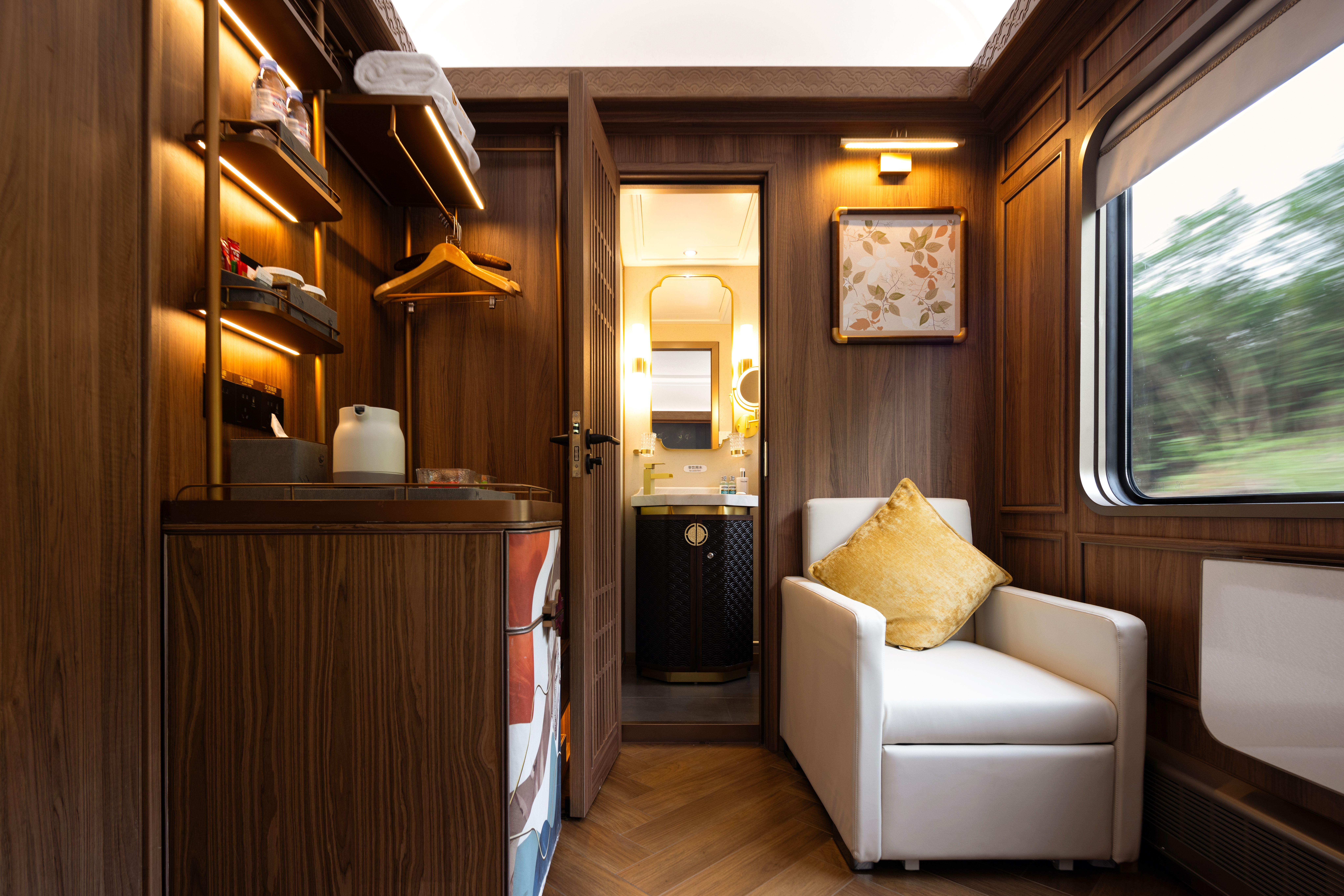
Cabin photographs can convey style, but they cannot answer every practical question. Compare the current cabin options using the details that matter to you:
- sleeping and daytime configuration;
- privacy when travelling as a couple, family, or friends;
- bathing arrangements;
- storage and luggage expectations;
- space to relax during a longer rail segment;
- any individual mobility, dietary, or access needs.
Ask for the answer against the exact train and journey you are considering. Operators may use different rolling stock, cabin names, or layouts across their portfolio, so a general description is not a substitute for current confirmation.
Separate the journey story from the practical plan
A great route is only one part of a well-planned trip. A prospective guest should also understand who is coordinating the moments around the train: arrivals, transfers, accommodation before or after the journey, luggage expectations, and a way to receive updates if plans change.
You do not need to know every operational detail before making an initial enquiry. You do need to know that the conversation will address them. A clear planning process should help you turn a desired journey into a usable travel plan rather than leave you to piece together the edges alone.
Build a comparison you can trust
Until Huayun approves a current product table, use this worksheet and ask the adviser to cite the date and source of each answer.
| Field | Journey option 1 | Journey option 2 |
|---|---|---|
| Approved journey name and departure | ||
| Start/finish and route shape | ||
| Total duration and train/land balance | ||
| Typical day and walking/transfer demands | ||
| Exact cabin type and configuration | ||
| Confirmed inclusions | ||
| Exclusions, options, and unresolved items | ||
| Source owner and last verified date |
Do not copy a price, date, cabin, transfer, visa, insurance, or service claim from a general page into this table. Leave it unresolved until the approved source answers it.
Six questions worth asking before you book
- Which current journey best fits the pace and regions I am hoping to experience?
- What is the balance of train time, excursions, accommodation, and transfers?
- Which cabin options fit the people travelling and our comfort priorities?
- What is confirmed in the journey price, what is not, and what can change before departure?
- What planning support is available before the journey and while travelling?
- What should I personally verify for my nationality, travel window, health needs, and onward plans?
The final question matters because entry rules, travel requirements, local conditions, and journey operations can change. Use current official sources and the most recent Huayun information rather than relying on a general travel article.
Choose with confidence, then confirm the details
The right Xinjiang luxury train tour should feel coherent: the route matches your interests, the days match your pace, and the practical arrangements match your comfort needs. Start with Huayun's current New Oriental Express page and tour collection. Then ask for a dated comparison built around the way you want to travel.